
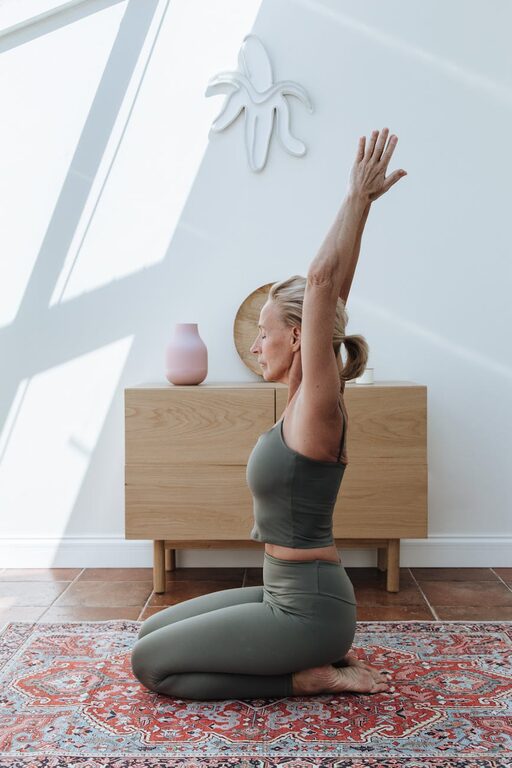
Stretching is an essential part of maintaining a healthy and active lifestyle. Whether you’re new to fitness or want to add more movement to your daily routine, stretching at home is an easy way to enhance your flexibility, reduce muscle tension, and improve circulation. This beginner’s guide will walk you through the basics of stretching, the benefits, and simple exercises you can do without any special equipment.
Why Stretching Matters
Many people think of stretching only as a warm-up before exercise, but its benefits go well beyond that. Regular stretching helps to:
– Increase range of motion in your joints
– Prevent injuries by keeping muscles flexible
– Reduce muscle soreness and tension
– Improve posture and balance
– Enhance blood flow and energy levels
– Promote relaxation and reduce stress
By dedicating just a few minutes each day, you can enjoy these benefits and create a healthier body.
When and How to Stretch
Best Time to Stretch
You can stretch at any time, but where you focus depends on your goals:
– After waking up: Gentle stretches can help wake up your muscles and joints.
– Before exercise: Dynamic stretches prepare your muscles by mimicking the movements of your workout.
– After exercise: Static stretches help relax muscles and improve flexibility.
– Throughout the day: Quick stretches can relieve tension if you sit for long periods.
Safety Tips
– Always warm up your muscles if you plan to stretch vigorously. A few minutes of walking or light movement works well.
– Avoid bouncing during stretches; hold each stretch steadily.
– Stretch to the point of mild tension, not pain.
– Breathe deeply and relax during each stretch.
– Focus on balanced stretching by working both sides of your body evenly.
Simple Stretches to Try at Home
Here are some beginner-friendly stretches that target major muscle groups. Hold each stretch for 15-30 seconds and repeat 2–3 times.
1. Neck Stretch
– Sit or stand tall.
– Slowly tilt your head to the right, bringing your ear toward your shoulder.
– Use your right hand to gently press your head further for a deeper stretch.
– Switch sides.
2. Shoulder Roll and Stretch
– Roll your shoulders backward in a circular motion 5 times, then forward 5 times.
– Reach your right arm across your chest and hold it with your left hand just above the elbow.
– Hold and switch arms.
3. Cat-Cow Stretch (Spine Mobility)
– Start on hands and knees, with wrists under shoulders and knees under hips.
– Inhale, arch your back and lift your head (Cow Pose).
– Exhale, round your spine, tucking your chin toward your chest (Cat Pose).
– Repeat 8–10 times slowly.
4. Seated Forward Bend
– Sit on the floor with legs extended straight.
– Keep your back tall and slowly lean forward from the hips.
– Reach toward your toes without bouncing, feeling a stretch in your hamstrings.
– If needed, bend your knees slightly.
5. Standing Quadriceps Stretch
– Stand on one leg and hold a stable surface if needed for balance.
– Bend your other knee, bringing your heel toward your buttocks.
– Grab your ankle with your hand and gently pull, feeling a stretch in the front thigh.
– Switch legs.
6. Butterfly Stretch (Inner Thigh)
– Sit with the soles of your feet together and knees bent out to the sides.
– Hold your feet with your hands and gently press your knees toward the floor.
– Keep your back straight and chest open.
7. Calf Stretch
– Stand facing a wall. Place your hands on the wall at shoulder height.
– Step one foot back, keeping the heel on the floor and the leg straight.
– Bend your front knee slightly and lean forward.
– Switch sides.
Creating a Stretching Routine
Starting with a simple plan will help you stay consistent:
- **Set a time:** Choose a time of day that works best for you, such as morning or evening.
- **Warm up briefly:** Walk or do gentle movements for 3–5 minutes.
- **Focus on key areas:** Target areas where you feel tight or want to improve flexibility.
- **Hold each stretch:** Aim for 15–30 seconds per stretch.
- **Breathe deeply:** Take slow breaths to help your muscles relax.
- **Stay consistent:** Aim to stretch at least 3 times a week to see progress.
Tips for Success
– Use a yoga mat or soft surface for comfort.
– Wear comfortable clothing that allows movement.
– Listen to your body and modify stretches as needed.
– Incorporate stretching into your daily routine, such as while watching TV or during breaks.
– Consider following online videos or apps for guided sessions if you want additional support.
Final Thoughts
Stretching at home is an accessible and effective way to improve your flexibility and overall well-being. By incorporating these simple stretches into your daily routine, you can enjoy reduced muscle stiffness, better posture, and a greater sense of calm. Remember, the key is consistency and listening to your body’s needs.
Start small, be patient, and let stretching become a natural part of your healthy lifestyle!